Exactly How a Rest Study Can Transform Your Rest Patterns: Insights and Providers Available
A rest research study offers as a vital tool for individuals looking for to recognize and boost their rest patterns. It provides a complete evaluation of rest actions and possible disorders. By evaluating numerous metrics, health care specialists can recognize underlying concerns that interfere with restorative remainder. This process not only aids in medical diagnosis however likewise establishes the stage for customized therapy strategies. What understandings might a rest study reveal concerning your very own sleep routines?
Recognizing Rest Researches: What to Expect
When people plan for a sleep research, they typically question what the experience will require. These studies, usually carried out in a rest facility, aim to check various physical parameters throughout sleep. Upon arrival, participants are welcomed by qualified service technicians who lead them with the procedure. The setting is created to be comfortable, permitting for an all-natural sleep experience. Individuals may be asked to submit surveys regarding their sleep routines and clinical history, which assists in the analysis.
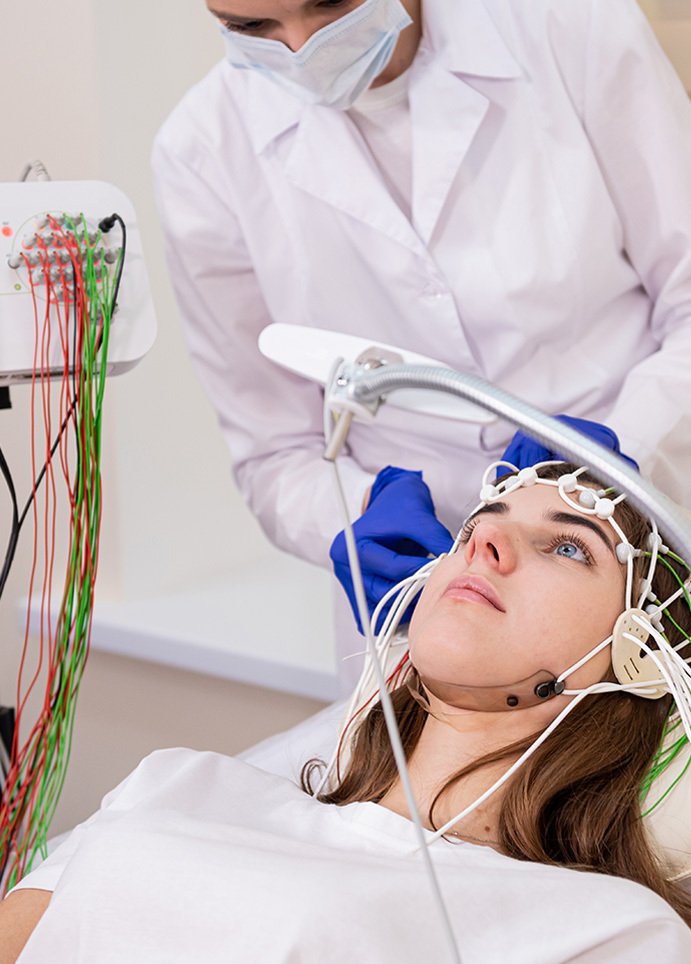
As the night proceeds, sensing units are affixed to the body to track brain waves, heart price, and breathing patterns. While the setup may feel unusual, the goal is to collect accurate information on the individual's sleep patterns. The entire procedure is non-invasive and poses no risk to the individual. Ultimately, the information accumulated throughout the sleep research is essential for detecting possible rest disorders and establishing effective therapy plans.
Usual Sleep Disorders Identified Via Sleep Studies
Sleep researches play an important function in recognizing various rest disorders that can substantially influence an individual's wellness and health. Typical disorders discovered with these studies consist of obstructive rest apnea, defined by duplicated interruptions in breathing during rest, resulting in fragmented rest patterns. An additional widespread problem is insomnia, which entails problem falling or staying asleep, often leading to daytime fatigue and impaired performance. Agitated legs disorder (RLS) is additionally often observed, triggering awkward sensations in the legs and an unmanageable desire to relocate them in the evening. Narcolepsy, a neurological disorder that affects sleep-wake cycles, is an additional severe problem recognized in sleep research studies, causing excessive daytime sleepiness and sudden rest attacks. Parasomnias, which incorporate unusual behaviors during rest, such as sleepwalking or night terrors, are likewise kept in mind. Early identification of these conditions can help with prompt treatment and enhance overall sleep quality.
The Process of a Rest Research Study: From Preparation to Outcomes
The procedure of a sleep study might seem challenging, it is a systematic and organized approach made to collect crucial information regarding a person's sleep patterns. A health care provider performs a detailed assessment, talking about sleep history and signs with the client. This assessment aids identify the details focus of the research study.
Preparation generally includes guidelines on sleep health and drug modifications before the research. Patients might be advised to avoid high levels of caffeine and alcohol to assure precise results. On the night of the research, electrodes and sensors are put to monitor brain task, heart rate, breathing, and motions throughout rest.
The information gathered is thoroughly evaluated by sleep professionals, that recognize any abnormalities or patterns indicative of rest disorders. Following this analysis, a follow-up examination is set up to talk about the findings and prospective therapy alternatives customized to the individual's needs, facilitating improved sleep quality.

Sorts Of Sleep Studies: In-Lab vs. Home Rest Tests
2 primary types of sleep researches exist: in-lab research studies and home sleep tests, each dealing with different demands and conditions. In-lab research studies typically occur in a rest center where patients are kept track of over night by health care professionals. This approach enables extensive data collection on numerous sleep parameters, such as mind task, oxygen degrees, and heart price. Individuals are commonly linked to numerous sensors, giving in-depth insights right into their rest problems, including rest apnea and narcolepsy.
Alternatively, home rest examinations offer an extra practical option for individuals who favor to carry out analyses in their very own setting. These mobile tools monitor necessary metrics like airflow, oxygen saturation, and snoring. While home examinations are less thorough than in-lab studies, they function as a sensible remedy for identifying typical sleep conditions. Inevitably, the selection in between these 2 kinds of rest researches relies on individual choices, clinical demands, and the intensity of sleep-related problems.
Interpreting Your Sleep Study Results: Secret Metrics Described
Recognizing the outcomes of a rest research study is crucial for people looking for understandings right into their sleep health. Trick metrics typically evaluated in sleep research studies include the Apnea-Hypopnea Index (AHI), which gauges the variety of apneas and hypopneas per hour of rest. AHI values help identify the severity of rest apnea, with greater scores indicating more significant concerns. One more essential metric is the total bedtime (TST), which shows the general duration of rest during the study. Sleep performance, the ratio of time spent asleep to time invested in bed, is likewise important; higher percentages show much better rest top quality. Furthermore, the percentage of rest spent in different phases-- light, deep, Click Here and REM-- provides understandings into rest design. Understanding these metrics outfits individuals with the understanding needed to discuss their sleep patterns with doctor, leading the means for educated choices regarding their rest health and wellness.
Therapy Options and Referrals Based on Your Rest Research study
When a sleep research study exposes issues you could check here such as rest apnea or various other rest disorders, various therapy options and suggestions come to be offered to enhance general sleep health and wellness. For obstructive rest apnea, continuous favorable air passage stress (CPAP) therapy is commonly prescribed, giving a stable stream of air to keep respiratory tracts open throughout sleep. Dental devices may be recommended for mild to moderate situations, repositioning the jaw to protect against airway obstruction.
In instances of sleeplessness, cognitive behavior treatment for insomnia (CBT-I) is typically suggested, concentrating on behavioral changes and thought patterns that disrupt rest. In addition, way of living alterations such as fat burning, normal workout, and staying clear of alcohol or high levels of caffeine before bedtime may boost sleep quality.

Building Healthy And Balanced Rest Habits: Tips for Better Relax
Structure healthy rest routines is vital for achieving corrective remainder. Establishing a regular rest regimen, limiting display time before bed, and developing a comfortable rest atmosphere can significantly enhance rest high quality. These strategies work as foundational actions for individuals looking for better rest end results.
Establish a Sleep Routine
Developing a consistent rest regimen is essential for advertising healthy sleep behaviors and enhancing general well-being. Sleep Study Bangalore. A routine rest timetable, where individuals go to bed and awaken at the same time every day, enhances the body's all-natural circadian rhythms. This predictability aids control the sleep-wake cycle, bring about improved sleep top quality. Developing a calming pre-sleep routine, such as analysis or exercising leisure techniques, can indicate the body that it is time to unwind. In addition, optimizing the sleep atmosphere-- by keeping a comfortable her response temperature level, minimizing noise, and guaranteeing darkness-- can further support relaxing rest. By focusing on these techniques, individuals can grow a sustainable rest routine that fosters corrective rest and adds to far better physical and psychological health
Restriction Screen Time
As individuals increasingly rely upon displays for entertainment and interaction, limiting display time prior to bed has become vital for promoting far better rest. Research study shows that direct exposure to blue light sent out by tools such as computer systems, tablets, and smartphones can conflict with the production of melatonin, the hormonal agent in charge of managing sleep. Consequently, specialists recommend transforming off displays at least one hour prior to bedtime to improve rest quality. Engaging in different activities, such as practicing or reviewing a book leisure strategies, can help people unwind and prepare for rest. By consciously decreasing display time, people can cultivate healthier sleep patterns, bring about improved general health and increased daytime awareness. Prioritizing this facet of sleep hygiene is critical for long-term health and wellness.
Develop a Rest Sanctuary
Creating a sleep shelter can considerably boost a person's capacity to attain restful sleep. This environment ought to focus on convenience and peace, incorporating elements that promote relaxation. A suitable mattress and pillows are vital, as they straight effect sleep high quality. Furthermore, the space must be dark, peaceful, and cool; utilizing power outage curtains and white noise machines can facilitate this ambience. Personalizing the room with relaxing shades and aromas, such as lavender, can additionally improve relaxation. Decreasing mess additionally adds to a serene environment, permitting mental clearness - Sleep Study Bangalore. By thoughtfully making a sleep refuge, people can cultivate healthier sleep habits and create a consistent regimen, ultimately bring about boosted general health and restorative rest
Often Asked Inquiries
Just how Long Does It Take to See Improvements After a Rest Research study?
Improvements after a sleep study can vary, however many individuals start to notice positive changes within a few weeks. Consistent follow-up and adherence to advised treatments play necessary roles in achieving perfect outcomes.
Can Kid Undergo Sleep Studies, and How Are They Various?
Yes, children can go through sleep research studies, which differ from adult researches in monitoring techniques and devices. Pediatric examinations typically entail child-friendly settings and might consist of moms and dad involvement to guarantee convenience and accurate results.
Are Rest Studies Covered by Insurance Policy, and What Are the Costs?
Rest studies can be covered by insurance coverage, relying on the plan and medical need. Costs differ extensively, ranging from $300 to $3,000, influenced by the kind of study and area of the center.
What Lifestyle Modifications Can Boost the Performance of Sleep Study Results?

Executing consistent sleep schedules, reducing caffeine consumption, creating a soothing bedtime routine, and preserving a comfortable rest environment can considerably enhance the efficiency of sleep research study results, promoting better sleep high quality and total wellness.
How Often Should I Repeat a Sleep Research for Ongoing Issues?
Individuals experiencing recurring sleep problems should take into consideration duplicating a rest research each to 2 years, or as suggested by health care experts, to keep an eye on changes and readjust therapy strategies efficiently based upon their evolving sleep patterns. (Sleep Study Bangalore)
Sleep studies play an essential role in recognizing different sleep conditions that can greatly impact a person's health and well-being. Typical problems spotted with these research studies consist of obstructive sleep apnea, characterized by duplicated disruptions in breathing during sleep, leading to fragmented sleep patterns. When a rest study reveals issues such as rest apnea or various other sleep problems, various treatment options and recommendations end up being readily available to improve total rest wellness. Developing a constant sleep routine, restricting screen time before bed, and creating a comfortable sleep environment can greatly enhance rest high quality. In addition, maximizing the sleep environment-- by keeping a comfy temperature level, decreasing noise, and making sure darkness-- can better sustain relaxed sleep.